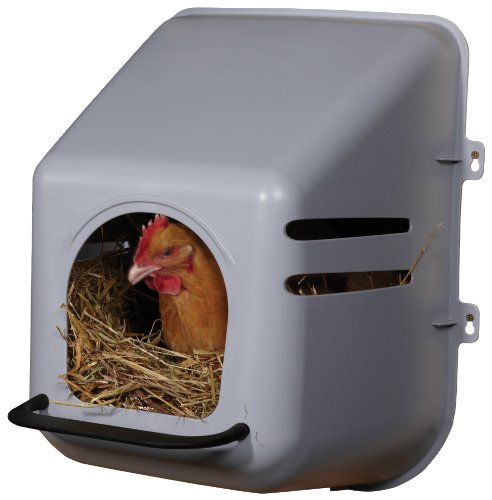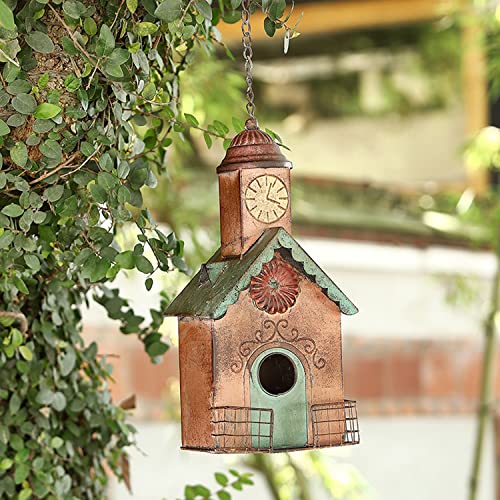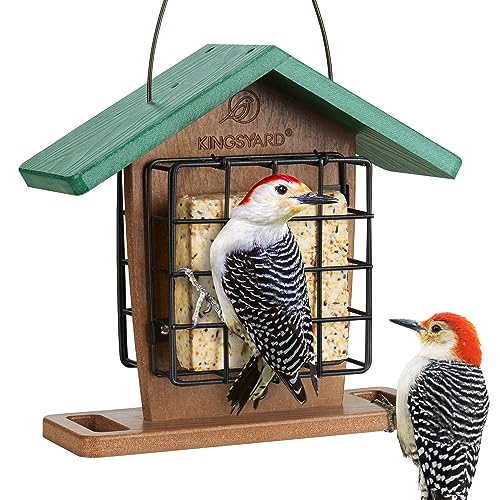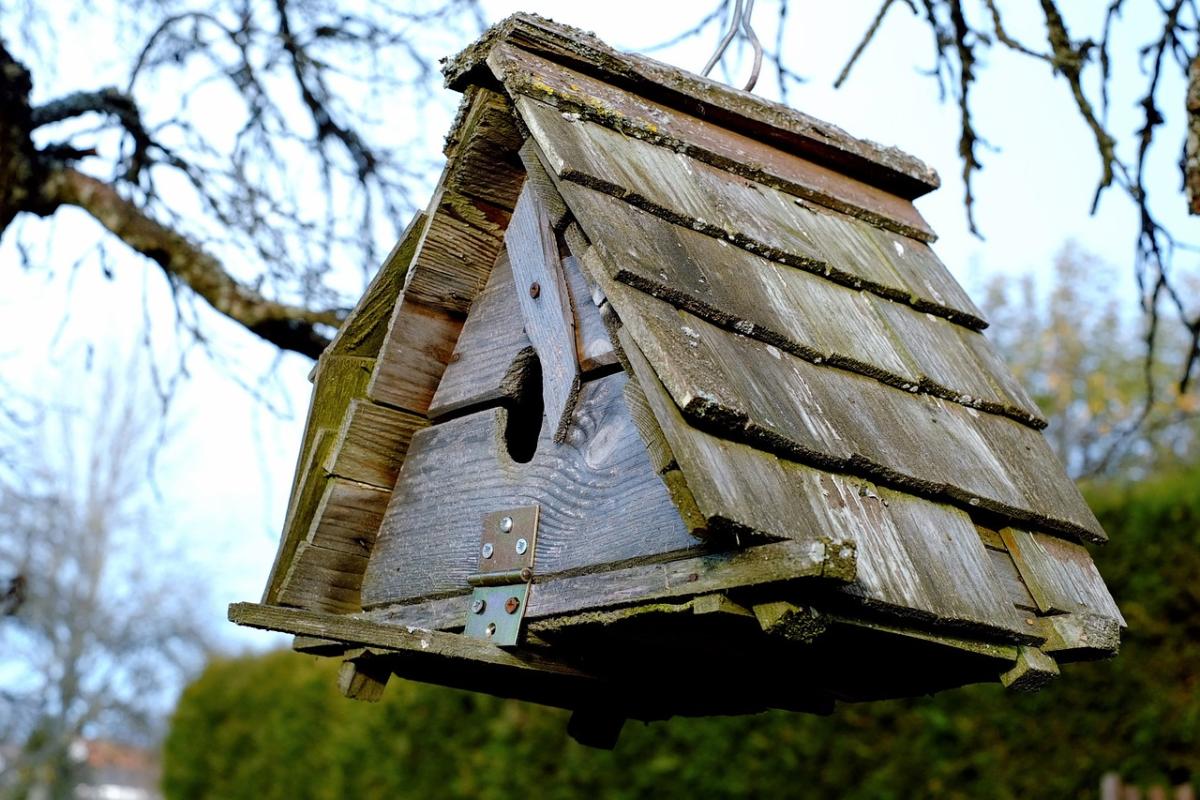
If you’re diving into birdhouse shopping, you’ll want to know what styles are out there. Here are some top picks that are popular with both birds and bird lovers.
Traditional Wooden Birdhouses are a classic choice. They come in all shapes and sizes and fit right in with nature. Most birds love these sturdy homes, especially bluebirds and wrens. Look for untreated wood to keep it safe for the feathered guests.
Modern Metal Birdhouses are sleek and stylish. They offer great durability and can handle the elements well. Plus, they often come in funky designs that add flair to your yard. Just make sure the entrance hole is the right size for the birds you want to attract!
Decorative Birdhouses can really jazz up your outdoor space. They often feature colorful paint and unique designs. While they look fantastic, it’s good to check that they’re still functional for the birds. You want a cozy home for them, not just a pretty piece for your garden.
Open-Front Nests are perfect if you want to attract certain species like robins. They don’t have a door, which makes them easy for birds to get in and out. Just hang them in a sheltered spot to keep your new visitors safe from predators.
Choosing the Right Materials for Your Bird House
Picking the right materials for your birdhouse can make a big difference. You want something that not only looks great but also keeps the birds safe and sound. Here are a few materials that are top-notch for building birdhouses.
Wood is a classic choice. It’s natural, sturdy, and gives a nice, inviting feel. Cedar and pine are popular picks because they resist rot and provide great insulation. Just make sure to avoid treated wood; it can harm the birds. And don't forget to leave the wood rough on the outside for better grip for the little ones!
If you want something super durable, consider using plastic. It’s lightweight and easy to clean, plus it lasts a long time. Just look for high-quality, weather-resistant varieties. On the other hand, metal birdhouses can be charming but might get too hot in the summer. If you go this route, make sure there's plenty of ventilation.
No matter what material you pick, make sure to add some drainage holes. This keeps the inside dry, especially during rainy days. A good birdhouse is all about giving birds a cozy, safe spot to nest. Keep these tips in mind, and you’ll be on your way to creating the perfect home for your feathered friends!
Best Placement Tips for Bird Houses
Finding the right spot to place your birdhouse can make all the difference in attracting feathered friends. Here are some straightforward tips to help you pick the best spot.
First off, look for a quiet, sheltered location. Birds prefer places away from loud noises and busy activity. Try placing the birdhouse in a corner of your yard, near trees or shrubs that provide natural cover. This gives birds a sense of safety.
Make sure the entrance to the birdhouse faces away from the wind and direct sunlight. A spot that gets some shade during the hottest parts of the day can keep the inside cooler for nesting birds. And be mindful of the surroundings; avoid placing it too close to feeders or water sources, as that can cause too much commotion.
Height is key, too. Most birds love a height of about five to ten feet off the ground. This keeps them safe from ground predators while still being accessible for you to clean or monitor. Use a sturdy pole or tree branch to mount the birdhouse securely.
Lastly, consider local bird species. Research what types of birds you want to attract and their specific needs. Some birds prefer more open spaces, while others like dense cover. Adjust your placement plan accordingly, and watch your yard come alive with chirping and flapping wings.
How to Keep Bird Houses Clean and Safe
Keeping your birdhouses clean and safe is super important for happy feathered friends. A tidy birdhouse helps prevent diseases and ensures your visitors stay healthy. Here are some simple tips to keep those houses in tip-top shape.
First up, regular checks are key. Aim to inspect birdhouses at least once a month, especially during the busy nesting season. Look for signs of old nests, mud, or other debris that could be harmful. Gently remove any old nesting materials. Just make sure it’s clear the house is abandoned before you clean it out!
Cleaning tools are your best buddies. Grab a soft brush, some warm water, and a mild soap. Avoid harsh chemicals since they can be harmful to birds. After removing the old nesting material, scrub the inside and outside of the house. Rinse well to make sure no soap remains. Don’t forget to dry it, too—it’s like giving the house a nice spa day!
Finally, safety is a must! Once your birdhouse is clean, check for any repairs. Look for cracks or loose parts that could be dangerous for birds. If you find anything that needs fixing, take care of it right away. A secure birdhouse means peace of mind for both you and your little visitors.